The Sweet Spot of Sound: How Acoustic Design Shapes the Dining Experience

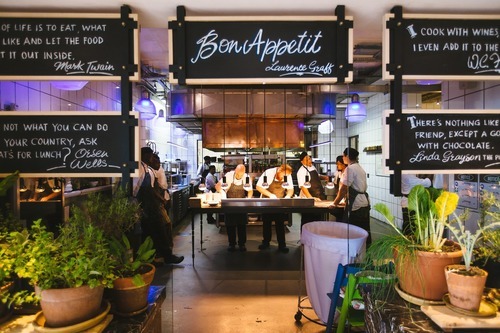
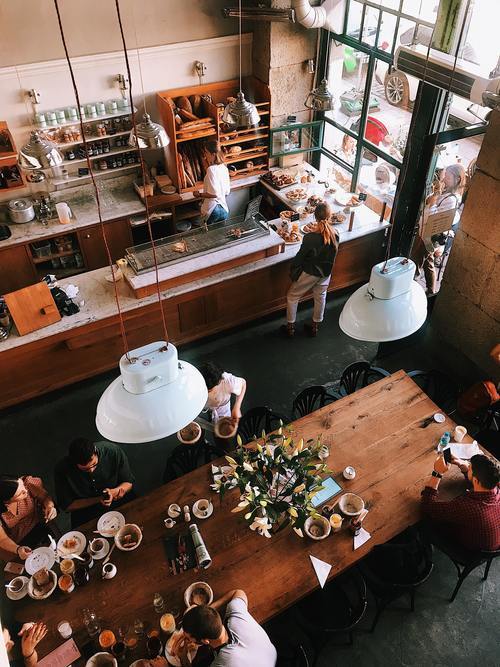
Warm restaurant dining room with wood surfaces and pendant lights

The Invisible Dimension of Dining

Step into a well-composed restaurant and the first impression is rarely visual alone. Warm conversation rises gently around the room, glasses meet the table with a restrained note, and the kitchen contributes a lively but distant rhythm. Nothing competes aggressively for attention. The atmosphere feels animated without becoming exhausting, allowing the menu, the company, and the service to arrive with equal clarity. In such a setting, sound becomes an invisible form of hospitality, shaping comfort before the first course is served.

For discerning guests, acoustic design is no longer a technical afterthought. It is part of the restaurant”s culinary language, much like lighting, table spacing, linen, or the temperature of a carefully selected wine. A thoughtfully planned room can protect the crispness of conversation and the delicacy of a dish at the same time. Increasingly, restaurateurs and interior architects are moving away from deafening dining rooms and toward a more nuanced ambition: an environment with energy, texture, and social warmth, but without the strain of shouting across the table. Even the most beautiful restaurant acoustics must ultimately serve that gracious balance.

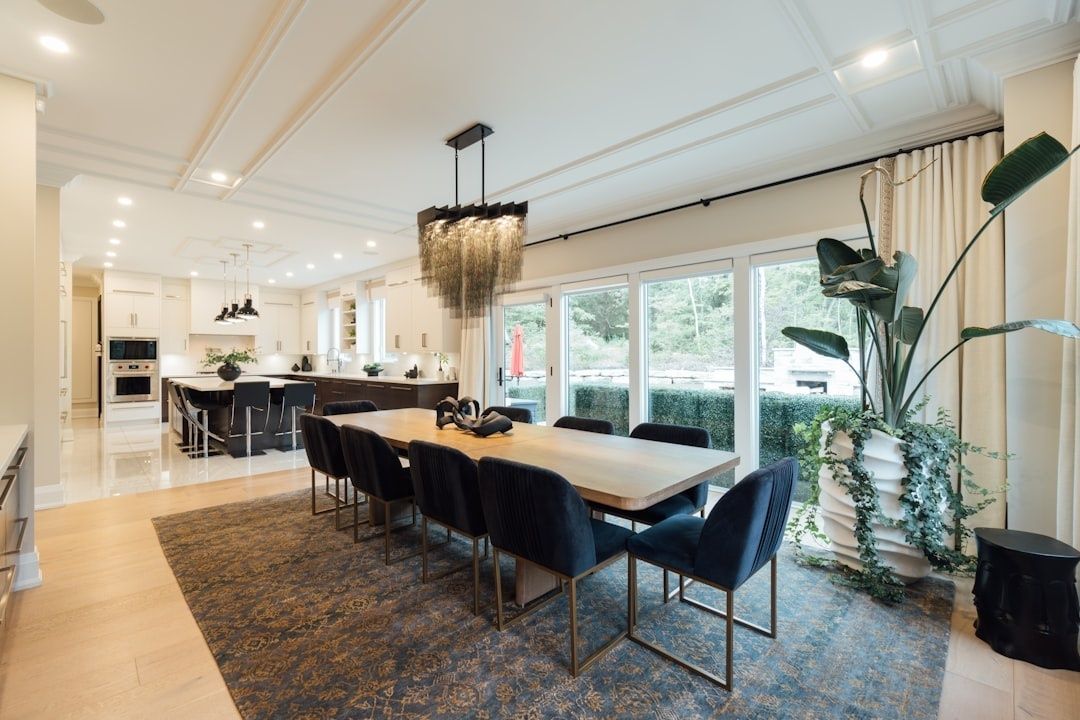
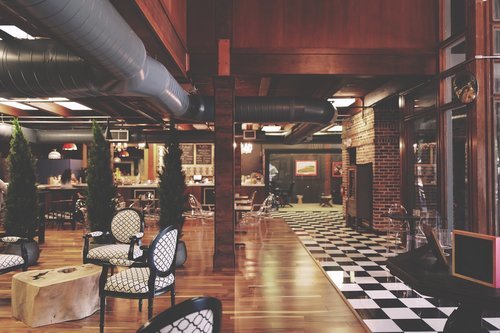
Elegant dining room with upholstered chairs, rug, and pendant lighting
A thoughtfully balanced dining room allows atmosphere to enrich the meal without competing with conversation, service, or the food itself.

The Decibel Spectrum of Culinary Pleasure

Noise in a restaurant is not automatically a flaw. A room that is entirely silent can feel formal, exposed, or strangely unoccupied. The soft blend of voices, movement, music, and kitchen activity creates a sense of occasion. For many dining spaces, conversation around 65 to 72 decibels can provide a lively social backdrop while remaining manageable at the table. Once ambient levels climb beyond approximately 80 decibels, however, the character of the room often changes. Guests begin competing with the space rather than enjoying it.

At excessive volume, the body responds before the mind has time to articulate the problem. Diners raise their voices, lean forward, repeat questions, and reduce conversation to practical exchanges. Patrons naturally adjust their vocal projection as ambient noise levels climb above comfortable thresholds, a phenomenon widely associated with the Lombard effect. That adjustment creates a feedback loop: one table speaks more loudly, neighboring tables follow, and the overall sound level continues to rise. Research from a field study of 12 Berlin restaurants, published in Frontiers in Built Environment, found that measured sound pressure and reverberation influenced soundscape pleasantness, eventfulness, and perceived restaurant quality, with atmosphere acting as an important pathway to the overall evaluation.

The goal is therefore not silence, but control. A successful dining room allows sound to travel just far enough to create connection while losing enough energy to prevent accumulation. This depends on the relationship between decibel level, reverberation time, ceiling height, table density, music selection, and the distance between sound sources and guests. The following ranges offer a practical, rather than absolute, way to understand the spectrum.

Ambient level Likely dining character Guest experience
Below 60 dB Quiet and restrained Intimate, though potentially formal or exposed
65 to 72 dB Lively and social Conversation remains comfortable for most tables
73 to 80 dB Energetic and demanding Guests begin projecting their voices and concentrating harder
Above 80 dB Chaotic or fatiguing Conversation, service communication, and flavor attention suffer

Architectural Alchemy and Acoustic Textures

Many contemporary restaurants are visually composed around materials that are acoustically unforgiving. Polished concrete reflects sound with the same confidence that it reflects light. Glass walls return voices into the room, bare timber can reinforce sharp impacts, and expansive ceilings allow sound to gather before sending it back toward the tables. A kitchen pass, a narrow corridor, or a hard bar front can further concentrate clatter. The result is not simply loudness, but distortion, in which words become indistinct and every dropped fork seems to acquire an exaggerated presence.

Modern acoustic engineering offers ways to soften this effect without compromising a restaurant”s visual identity. Micro-perforated acoustic plaster, for example, can be applied as a seamless finish that resembles an ordinary painted ceiling or wall while allowing sound energy to enter an absorbent layer behind the surface. Similar approaches include acoustic sprays, fabric systems, coated panels, and concealed ceiling treatments. The essential principle is discreet performance. Absorption should be built into the architecture rather than added as an apologetic decoration after the design has been completed.

A refined acoustic palette can also be assembled through interior choices that feel natural to the guest. Upholstered banquettes absorb more sound than slim wooden chairs. Drapery, textured wall finishes, rugs, acoustic artwork, and generous planting can break up reflections while adding visual depth. Timber slats with absorbent backing can preserve warmth and rhythm, while perforated panels can echo the geometry of a ceiling or bar. Useful decisions include:

  • Using absorbent ceiling surfaces where sound otherwise travels freely across the room.
  • Introducing upholstered seating and textured finishes in high-conversation zones.
  • Separating hard, reflective surfaces with softer architectural layers.
  • Placing acoustic treatment near major sources such as open kitchens, bars, and service stations.
  • Coordinating acoustic solutions with lighting, fire safety, ventilation, and maintenance requirements.

Sonic Seasoning and the Psychology of Taste

Flavor is experienced through more than the tongue. Sight, aroma, texture, expectation, and the surrounding environment all influence how a dish is interpreted. A review of sensory research in Sensory Nudges describes background sound as one of several contextual cues capable of altering sensory perception, emotional response, food choice, and consumption behavior. This is known as crossmodal perception: the brain combines information from different senses, and one channel can subtly change the meaning assigned to another.

Auditory qualities are especially intriguing. Research discussed in the same field suggests that higher-pitched sounds can be associated with lighter, sweeter, or more delicate impressions, while lower tones may support perceptions of depth, richness, or bitterness. Excessive volume, however, is a different matter from carefully selected pitch or musical character. Loud, complex sound can draw attention away from subtle aromas and diminish the guest”s ability to distinguish restrained sweetness, layered umami, or a finely balanced sauce. The restaurant acoustics study in Frontiers likewise notes the broader relationship between sound, taste, atmosphere, spending, enjoyment, and return intentions.

When acoustic comfort is achieved, the meal gains room to unfold. Guests can notice the snap of a crisp garnish, the quiet perfume of herbs, or the change in texture between a first bite and the finish. They are more likely to ask questions about a wine, listen to a server”s explanation, and linger over the transition from savory courses to dessert. A study of sound and chocolate tasting, available through sound-taste correspondence research, found that participants reported a better tasting experience when the soundscape was connected to the identity of the food, and they expressed a higher willingness to pay. The lesson is not that every dish requires a soundtrack, but that sound can frame value when it is intentional and proportionate.

Designing the Balanced Sonic Journey

Acoustic stewardship begins with observation rather than decoration. Restaurant leaders need to understand how a space behaves at breakfast, during a busy lunch, at peak dinner service, and after a private event has filled every table. A room that feels calm at six o”clock may become punishing at eight. Measurement can reveal whether the principal problem is reverberation, equipment noise, music, table density, or the cumulative effect of several modest sources.

  1. Map the soundscape. Measure sound levels during occupied service and identify the loudest zones, including the bar, pass, kitchen entrance, dish area, and densely seated tables.
  2. Separate energy from intrusion. Decide which sounds contribute to the brand, such as a visible open kitchen, and which should be reduced, such as blender noise, HVAC vibration, or uncontrolled clatter.
  3. Build acoustic zoning into the plan. Place energetic areas near guests who enjoy movement, while protecting banquettes, tasting tables, and special-occasion seating from the strongest sound sources.
  4. Choose concealed treatment. Coordinate plaster, ceiling systems, upholstery, curtains, panels, and floor finishes so absorption supports the visual concept rather than interrupting it.
  5. Review and refine. Combine acoustic measurements with guest comments, staff feedback, table-turn data, and service observations. Sound changes as furniture, menus, occupancy, and equipment change.

Zoning is particularly important in restaurants that combine several moods. An open kitchen may provide theatrical energy, while a cocktail bar benefits from a brighter pulse and more pronounced musical presence. Neither should dominate an intimate dining banquette or a chef”s counter designed for detailed conversation. Changes in ceiling treatment, seating upholstery, partition height, and speaker direction can create these distinctions without making the floor plan feel fragmented. Sound should guide the guest through the evening, moving from welcome and aperitif toward concentration at the table and a softer, lingering finish.

Staff well-being belongs at the center of this work. Cooks, servers, bartenders, and hosts spend far longer in the restaurant than any guest, and persistent noise can contribute to fatigue, miscommunication, mistakes, and slower service. Equipment should be maintained, isolated with anti-vibration mounts where appropriate, and positioned away from seating when possible. Blenders, grinders, ice machines, ventilation systems, dishwashers, and refrigeration units all deserve attention. Acoustic treatment is therefore not merely a luxury upgrade. It protects the people who create hospitality while improving the clarity and ease that guests experience.

Crafting Memories That Resonate Beyond the Table

An exceptional restaurant is a multisensory composition. The plate offers flavor and texture, the room provides light and spatial character, service establishes rhythm, and sound binds the elements together. When acoustics are neglected, even superb cooking can be obscured by the effort required to hear and be heard. When they are carefully shaped, the room gives each course a more generous stage, from the first greeting to the final sip of coffee.

Acoustic elegance is becoming one of the clearest marks of refined, guest-centered hospitality. The most successful dining spaces will curate sound with the same care given to a wine cellar, a seasonal menu, or a signature glassware collection. Their rooms will remain vibrant, never sterile, yet considerate enough to let conversation, service, and gastronomy retain their natural definition. That is the sweet spot of sound: an atmosphere guests may not consciously identify, but will remember as comfort, connection, and the quiet pleasure of having been beautifully received.

Where to Buy Wall Art for Your Restaurant

If you are starting your restaurant or want to make it stand out, wall art can be an excellent investment. Wall art has lots of advantages. It creates that focal point, makes wall spaces appear finished, and highlights your restaurant’s theme.

But the big question is, where do you find the best wall art to spice up your restaurant and make it stand out?

In the past, the only option was buying from local stores, which are hard to come by even today. But the good thing is that today, you can buy wall art on online stores such as BGA, among many others.

So, what’s the advantage of buying wall art online?

To start, online shopping is hassle-free now that you don’t have to pop into one shop after another looking for your preferred prints or posters. You can order wall art right from the comfort of your home. You also don’t have to worry about logistics as your package can be delivered to wherever you are.

With online shopping, you also get variety, unlike local stores with just a few designs. Whether you are looking for designer posters, picture frames, coffee table photo albums, or mounting accessories, online stores have it all under one roof.

Next, wall art online stores have the best prices now that there’s stiff competition from other online retailers. Most retailers will always want to have the edge regarding prices. Besides, these stores offer discounts and generous promotions.

If you were contemplating about where to buy wall art pieces for your restaurant, you now know where to find the best wall art and decor – online stores. So, what are you waiting for? Check out the latest trends on the BGA store and spice up your premise today!

The Right Casual Attire For Restaurants

It is important to think carefully about what to wear whilst eating inside a restaurant. These types of meal experiences can last several hours. Consequently, comfort will be a major priority. The emergence of cycling has had an interesting effect on the attire seen worn by eatery patrons.

Professional cyclists such as Stephen Williams have popularised this activity. There has also been a push within the UK to get more people interested in exercise. Since bike riding is such an affordable and universally loved option there has been a boost in cycle sales. This has also had an impact within the fashion world. In the past bike shorts were only worn by people whilst out on a ride. They are now considered an iconic form of street fashion.

The Impact Of Society

At the same time there have been changes within the restaurant industry. They have become more casual in nature. Customers are not usually required to wear formal attire. As a result they have greater freedom in their choice of clothing. Whilst out dining it is now acceptable to put on skin tight leggings. Eatery patrons could purchase bike shorts from the fashion website AIM’N. Their catalogue has items that are both affordable and stylish.

The year 2020 saw a boom in bicycle sales due to the global pandemic. Even as society begins to go back to normal the prevalence of cycling has not diminished. What has changed is the fact that people can now frequent public spaces such as restaurants. It is possible to go out for a ride and then take a break inside of an eatery. The person will not need to change thanks to the growing acceptance of bike shorts as a fashion item.

Staff Members

Every restaurant will need a waiting staff who take orders, deliver food to tables and give customers their bill. For many years these employees had to wear restrictive smart clothing. Recently, restaurant owners have recognised the importance of a uniform that has more flexibility and comfort. If bike shorts are worn it can help to increase productivity. However, the applicability of these items will depend on the time of year. Summer will be an ideal season to supply them to waiters. Meanwhile, the winter months might be too cold. Either way, restaurant owners can get great deals on bike shorts if they visit the AIM’N website.

How to Theme a French Restaurant

One of the best things about running your own restaurant is choosing which dishes to serve that actually match your skills. Many chefs are trained in the classic French style of cooking but then do not actually use this knowledge when opening their own business. It seems a shame to know how to cook traditional, delicious French food but then not serve it to your customers. Another fun aspect of having a French restaurant is being able to decorate in a true Parisian style.

Decorating Your French Restaurant

When first setting up a new business, you may not have a large budget to spend on the decor. This is where it pays to know about high-quality yet affordable wall prints from the Desenio website. They have a vast choice of posters printed on premium quality paper with a selection of frames to match. You can spend endless hours scrolling through all the different categories to see what catches your eye.

Bring Paris to Your Diners

The romantic city of Paris is renowned the world over for its fabulous architecture and trendy little restaurants. You can evoke the same atmosphere with a gallery of themed posters from Desenio. One of the available prints is actually called Favorite Things About Paris! It’s a stylish black and white text design that lists typical French desserts such as eclairs, macarons, and crepes. You could even use it as a fun way of showing what is available on your menu.

Showcase Your Coffee

One thing that all French restaurants are known for is their top-class coffee that invites guests to linger after their delicious lunch is over. To bring this to mind, you could opt for coffee-themed prints from Desenio, such as the one called Caffe Latte. Once your diners spot this poster with its steaming cups of coffee sprinkled with chocolate, they won’t be able to resist ordering one. There are actually over 50 coffee posters at Desenio, so you could afford to buy several.

Introduce Your French Wine

What else springs to mind when you think of France? The wine, of course! Alcoholic drinks will have the highest mark-up in your restaurant, so you need to promote them. By having posters from Desenio that depict wine glasses or bottles, it will instantly put your visitors in the mood for a drink. There are over 100 wine-based posters, some of them specifically relating to France. And who can forget delicious French champagne for a bit of sparkle?

A French Menu to Impress

Last but not least is the food. You should include some classic French dishes such as Boeuf Bourguignon, Potatoes Dauphinoise, Croque Madame, and Concombre a la Menthe. It goes without saying that Desenio will have appropriate posters to match. Having a visual representation of the food will help your diners make their choice.

Your French restaurant will soon be the talk of the town, renowned for its style, ambience, coffee, delicious food, and wine. Bon appetit!

Adding Life to Your Restaurant with Plants

Natural features and living walls have undoubtedly become a trendy part of restaurant design in the last few years. However, even if you don”t have the budget for something spectacular, it”s possible to make a significant difference to the look and feel of your restaurant by adding some plants. This article will run you through a few of the options you have and give you some tips and tricks for keeping everything looking healthy during all four seasons.

Choosing the Right Plants

Restaurants are unique environments, and any plants inside them will be subject to strains and stress that a plant in a home or office would not be. This means that you need to pick resilient plants that won”t mind a little bit of heat and even the risk of being bashed by customers from time to time.

Easy to care for houseplants are often a good starting point as many of them have been specifically created to survive challenging environments and even a little bit of neglect from time to time. Many popular gardening publications make lists of the best houseplants for various different environments, and some of these would be very at home in any restaurant.

The next thing to keep in mind is the colour of the plant and its petals and leaves both when it first arrives in your restaurant and after it has had the time to grow and flower. Make sure you know what it will look like after a few months in order to avoid any nasty surprises.

Keeping Them Alive and Healthy

Once you have filled your restaurant with the right plants, the next step is to keep them alive and healthy. While water and a little bit of plant food is obviously a great starting point, every type of plant has its own specific needs. Using the Getplanta app is an excellent way for even a newcomer to the world of plants and flowers to make sure that they get things right. The app has specific information on every plant and what it requires for long and healthy life.

As with anything else in the restaurant world, a little bit of planning and practice is the key to seeing your plants thrive.

Restaurant Contracts Outline Expectations

Restaurant management takes a jack of all trades. It’s a highly competitive business, requiring knowledge of multiple fields. An owner pours time and effort into planning the perfect menu and atmosphere for diners. During the process, they may require contract management assistance to reach agreements with several different vendors. Agreements help to maintain a seamless experience for customers. Here are four contracts restaurant owners may sign to help support business operations.

Space

Accessibility and visibility are two main aspects of leasing a space for a successful restaurant. Choosing a restaurant space helps to set the tone for the business. Restaurants near high-traffic areas may entertain a steady stream of customers if the establishment offers good food and a welcoming atmosphere. A lease may contain several clauses, which detail the rights and responsibilities of the commercial tenant and the building’s owner. By putting expectations in writing, both parties ensure that the cost of the space and associated issues related to property management are agreed upon. Some clauses may include specifics on monthly lease costs, insurance requirements, or a landlord’s right to enter the premises.

Construction

Restaurant owners often build out an existing space or hire a contractor to complete new construction. General contractors may have experience building fast food or fine dining establishments. A contract between the restaurant business and the construction company includes pricing, materials, and design specifications. By setting parameters for the construction, both parties ensure that they are in agreement about the process.

Food

Food suppliers are the lifeblood that keeps a restaurant in business. A contract includes the terms of how goods are delivered. These supplier agreements protect the business owner because any disruption in food delivery may shut down an establishment. For these reasons, restaurant managers generally use trusted providers with good reputations or suppliers with whom the manager has an existing relationship.

Staff

Highly skilled culinary professionals help a restaurant to maintain a good reputation. Restaurants use both employees and contract staff to help keep the restaurant in order. However, cooking, cleaning, and waiting on customers is time-consuming. For busy restaurants, a kitchen may require a head chef, sous chef, and several assistants. Employee and contract staff agreements list job responsibilities, pay, and expectations.

Developing agreements in the foodservice industry is essential to ensure the seamless execution of food preparation and delivery to diners. From choosing the space to accepting payment for the meal, the restaurant manager must attend to every tiny detail of the end-to-end process. In addition, contracts help stakeholders to understand their role in the restaurant’s system. By choosing effective software to help manage agreements, an owner or manager ensures that the restaurant efficiently delivers exquisite cuisine.

Creating a Cozy and Inviting Restaurant

Food is definitely the first thing that most diners consider when they are choosing a restaurant for lunch or dinner. Still, the atmosphere and ambiance come a close second. This is why restaurant owners spend a lot of time thinking about how their eatery looks and what they can do to keep it fresh and up to date. With more and more diners spending time uploading photos of their meal to Instagram or other social media platforms, it is more important than ever that restaurant owners get this right. Fortunately, there are a number of things that they can do to create a warm and inviting atmosphere that doesn”t break the bank. It”s even possible to change it up regularly at a relatively low cost. Read on to discover how.

Think About the Space

The first thing to consider when decorating a restaurant is the space available. For instance, a small room with low ceilings will require bright colors and mirrors to make it feel light and attractive to diners. Making it too dark may put diners off and leave the space feeling gloomier than it needs to. On the other hand, an extensive, open space may need some work to make it feel more intimate and comfortable for guests. Thankfully there are plenty of interior design ideas available that restaurant owners can borrow from in order to create a space that works for them. No two areas are alike, and it”s also essential to consider the food and clientele when building a space.

Use Covers and Throws to Keep Things Fresh

Throws and covers make it possible to completely change the look of a piece of furniture without having to go out and buy anything new. For instance, colorful Ikea Ektorp sofa covers can give a new wave of life to this popular style of Swedish furniture. Restaurants can even purchase a collection of them and rotate them on a regular basis to give a unique atmosphere at certain times of the day or year. This approach is convenient for restaurants that are looking to create something special during a private hire event.

Restaurant and Skin Care

The skin is the largest body organ; that one we know. It can give a hint about what goes on inside your body; I mean your skin can tell if you have an underlying health condition (this isn’t always the case though). And, it can also give clues about your age and the quality of your life. Hence, the least we can do is to keep it healthy. Source of income? Yes, we see models taking their skins so seriously that even a minute scar is a big concern for them.

Restaurant and Skin Care

Are you working in a restaurant? That’s great. I say so because you make it possible for people to eat without stepping foot in the kitchen. And being a restaurant worker can be fun, given that you’re likely to be meeting different people on a daily basis. On top of that, food is in plenty, so you can grab a sausage or piece of roasted meat while on duty. But most importantly, you must keep your skin healthy, whether you’re working in the kitchen or any other restaurant department.

What Can Happen to Your Skin?

If you have ever been in a commercial kitchen, then you probably understand how that kind of environment looks like. Thus, keeping your skin healthy should be a priority so that you don’t have to earn an income at the expense of your largest body organ. In a restaurant kitchen, your skin may be subjected to one or more of the following:

  • Exposure to vapor and hot food
  • Exposure to wet conditions or water
  • Exposure to cleaning agents with chemicals
  • Exposure to fire or heat

If you add these to the wide range of tasks which you must complete in your job description as a restaurant worker, you will be able to appreciate the extent to which the skin can suffer. Thankfully, there is a way to protect your skin from any of these potential damaging factors.

Protect Your Skin with Verso Eye Serum

Yes, there are a thousand ways to keep your skin healthy while working in a restaurant. From wearing protective gear and using non-chemical cleaners to avoiding touching your face, you can never run short of options. However, using Verso Super Eye Serum could be one of the best bets. Besides keeping your tired skin energized, this serum also fights what is known as the signs of aging (such as sagging eyelids and dark circles around the eyes), thanks to its Retinal 8 ingredient. If you’re worried about wrinkles and fine lines on your skin, this serum also fights that with a high level of effectiveness. If you’re worried about damaging effects of chemical cleaners or heat in the kitchen, then Verso Super Eye Serum keeps those worries to bed with its purified turmeric ingredient, which is a robust antioxidant.

To Stretch or Not: Yoga Pants in Resturants

Have you ever been in a restaurant in a working capacity? It may not be an easy task. Forget about being a restaurant manager; working in a department such as a kitchen is an entirely different thing. Those who have been there may call it “hell.” The heat, vapor, water, and cleaning chemicals; these are just but some of the many things that you may be exposed to while working in a restaurant kitchen. And there is moving here and there. You will also need to bend and pick this or that. What about squatting? Yes, you may also want to do work while squatting if that’s what makes you feel comfortable at that point in time. And there will be instances when you will want to stretch as you continue with work. In a nutshell, you must wear appropriate clothing for the job in a restaurant. I am going to confine this writeup to yoga pants.

What Are Yoga Pants Doing in a Restaurant?

Wondering why anyone would wear yoga pants in a restaurant? That’s not an out-of-the-ordinary thing. And while most restaurant managers encourage their staff to be in official attire, yoga pants are increasingly becoming popular among restaurant workers, and that’s for some good reasons.

Flexibility: Working in a restaurant involves a lot of movement. That calls for flexibility. However, if you’re wearing official trousers or a skirt, it won’t give you the flexibility needed to move around. Yoga pants, on the other hand, do. The pants are elastic, and they allow you to move around and even stretch freely without feeling a shred of restriction. For instance, at Aim’n online store, you can find yoga pants of all sizes; it just doesn’t matter what size you are.

Yoga pants are light and comfortable on the body: While jeans are suitable to wear, they are not anywhere near yoga pants when it comes to comfort. They feel so light on the body, and they are also softer. If you’re working in such a busy and engaging environment as a restaurant, even clothes can be a burden. That’s why wearing something as light as yoga pants is a good choice. I once worked in a restaurant kitchen, and yoga pants helped me a great deal. So, if you’ve been wondering whether yoga pants can be a good restaurant outfit, the truth is that they are, as long as your employers allow them. Yes, to stretch!

Finding the Best Timers and Clocks for Restaurants

Busy chefs and bakers need alarm clocks. So, when they put food in the oven, they set a timer for a specific duration and continue with other tasks without worries. A ringing sound notifies the cook when the allocated time has passed.

Depending on the layout of your restaurant’s cooking area and the interior design, you can pick a wall-mount or countertop clock. Putting a digital timer in a commercial kitchen reduces the risks of overcooking, drying out, or burning food. Moreover, your cooks will be more efficient because they can prepare sauces, salads, and side dishes without worrying about the main dish on the cooktop.

Browse the many versions of RoyalDesign’s alarm clock collection to find one that suits best the recipes that your restaurant serves. Mini-cube alarm clocks, both analog and digital versions, are designed for employees who prefer handheld options. Depending on where the chef waits while food is cooking, they can attach a Minimal Alarm Clock on a lanyard so they can hear when the clock goes off even after they dash out of the kitchen. An analog mechanical timer with multiple event settings is the most convenient option when cooking different meals that take different times to get ready.

The Style

Avoid clock models that blend in with the background colors. Take time to consider the following two factors before purchasing a clock for restaurant décor.

  • Décor
  • The main colors in the dining area

To find a standout restaurant clock:

1. Pick a style that creates dark or light contrast against the designated tables and walls.

2. If you prefer an analog model, choose Arabic lines or numerals. Or you can install clocks with hands and numbers altogether on the wall.

3.Consider how many colors are in the room to see whether there’s a brighter accent you might want to add rather than a new shade.

A clock with lines is more minimalistic, while a monochrome face is classic. Perhaps you are looking for a Scandinavian feel, in which case natural colors like cream, wood, grey, forest green, and dark blue would be ideal. For an industrial restaurant décor, get roman numerals or black iron with no face; then go as big as you wish. As another option, combine contemporary elements with vintage to attain a mid-century modern appeal. If your restaurant is full of modern elements, look for a traditional clock and vice versa. It is also wise to combine the two styles, e.g., starburst shape and roman numerals. For a vibrant bohemian feel, experiment with bright hues, wood, and patterns resembling certain textures in your hotel.

Restaurant clocks come in different sizes and shapes. On average, a wall clock should have a 12-inch diameter, but you may go over 20 inches. Always consider other elements on the wall before choosing the size. If there are big pictures, paintings, and focal elements on the wall, it is best to put a small-sized wall clock.