Redefining the Glass at the Modern Table
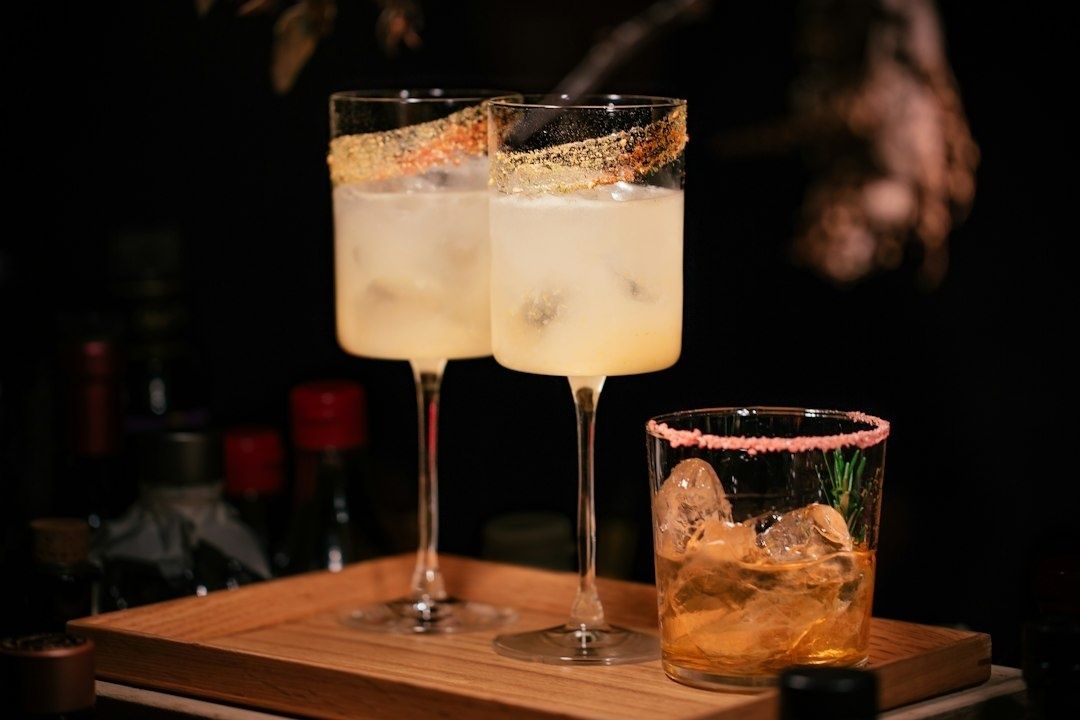
The most compelling non-alcoholic drinks at the modern table no longer resemble sweetened fruit juice with a decorative garnish. They are becoming composed, layered, and distinctly culinary, with the same attention to texture, tension, finish, and pacing that defines a thoughtful wine list. For beverage directors, chefs, and hosts, this shift opens a more generous form of hospitality: a guest can choose not to drink alcohol without being given a lesser sensory experience.
Historically, many zero-proof options struggled beside complex tasting menus because they leaned heavily on fruit sugar, sharp citrus, or aggressive carbonation. Those elements can be refreshing, but they rarely provide the grip, savory resonance, or length needed for dishes built around char, fermentation, cream, smoke, or aged ingredients. A more convincing approach treats the glass as liquid cooking. Acidity must be balanced rather than merely intensified, texture must be designed rather than assumed, and umami must be introduced with the same care given to a sauce or stock. Products such as koji-fermented non-alcoholic cuvées demonstrate how grains, tea, flowers, and fermentation can create an elegant foundation before any pairing is considered.
Deconstructing Dealcoholization and the Case for Built Architecture
Alcohol contributes more to wine than warmth. It carries aroma, increases perceived weight, softens the impression of acidity, and helps create a lingering finish. When wine is dealcoholized after fermentation, the process must therefore remove ethanol without dismantling the aromatic architecture that fermentation created. Conventional evaporation and distillation can be effective, but heat and volatility may affect delicate esters, floral notes, and other compounds responsible for freshness and identity.
Membrane technology offers a more selective route. In pervaporation-based membrane processes for the production of non-alcoholic beverages, a liquid mixture is separated through partial vaporization across a dense, non-porous membrane. The process relies on a solution-diffusion mechanism: compounds are adsorbed into the membrane, move through it, and then desorb on the other side, assisted by a vacuum, sweeping gas, or temperature difference. Hydrophobic membranes, including polydimethylsiloxane-based materials, can be designed to favor ethanol and selected organic compounds. Temperature, pressure, flow rate, feed concentration, and membrane thickness all influence the result. Higher temperatures may improve permeation while reducing selectivity, which explains why preservation remains a technical balancing act rather than a simple extraction step.
Even when membrane separation performs well, it begins with a fermented beverage whose character may not have been designed for alcohol removal. The alternative movement starts from the opposite direction, constructing a non-alcoholic cuvée from ingredients chosen for aroma, acidity, texture, and savory depth. Koji-fermented rice can contribute grain-like softness and enzymatic complexity; jasmine tea and magnolia can supply lifted perfume; fig leaf and herbs can add a green, lightly bitter contour. Fine bubbles and controlled acidity then provide the celebratory frame. This is less like imitating wine and more like composing a new category of dinner beverage.
- Begin with structure: establish acidity, salinity, and texture before adding fruit aromatics.
- Use fermentation strategically: koji, lactic cultures, and vinegar can develop complexity without relying on alcohol.
- Protect the finish: bitterness, tannin, spice, or mineral notes can prevent sweetness from dominating the final impression.
Engineering Weight and Viscosity with Savory Fat-Washing
The absence of ethanol is often felt most clearly in the middle of the palate. Alcohol gives a beverage body and a spreading warmth, while also helping aromatic compounds travel across the mouth. A zero-proof base can consequently taste thin even when its flavor is vivid. Savory fat-washing offers one way to add weight, provided the technique is used with restraint. Toasted sesame oil, brown butter, cocoa butter, and other culinary fats can carry roasted, nutty, or creamy aromas into a botanical infusion without turning the finished drink into a greasy cocktail.
The objective is not to leave oil suspended in the glass. It is to allow fat-soluble aromas to migrate into the liquid, then remove the visible fat while preserving the impression of roundness. Sesame can reinforce grilled vegetables, mushrooms, and shellfish; brown butter can echo roasted poultry, squash, and beurre noisette; cocoa butter can contribute a clean, delicate creaminess with minimal overt chocolate character. The strongest applications are quiet. Guests should notice a broader palate and a longer finish before identifying the technique.
- Prepare the base: combine a chilled botanical infusion, tea concentrate, or clarified stock with a small, measured quantity of the chosen fat.
- Allow contact: rest the mixture under refrigeration so the aromatic compounds can move into the liquid without prolonged exposure to heat.
- Freeze and separate: freeze the preparation until the fat forms a solid layer, then remove it carefully from the still-liquid portion.
- Clarify: pass the liquid through a fine filter or filtration medium to capture residual particles and achieve a clean texture.
- Rebalance: adjust acidity, dilution, and salinity after clarification, since the process may soften aromatic intensity.
Temperature control matters throughout. Warm fat can extract quickly, but excessive heat may flatten delicate botanicals or produce a heavy roasted profile. Cold contact is slower and often more precise for a fine-dining pairing. Clarification should also be judged by palate, not appearance alone. A perfectly clear drink can still feel rich if its aromatic compounds and dissolved solids have been carefully retained. The result should glide across the tongue, support food for several bites, and finish without an oily film.
Tannin and Phenolic Backbone from High-Mountain Teas and Wood Extraction
Wine”s structure is not defined by fruit alone. Tannin creates a drying grip, phenolic compounds shape bitterness and length, and the finish gives the palate a reason to return to the glass. High-grown teas and roasted leaves can supply a comparable framework in zero-proof beverages. Cold-macerated pu-erh offers earthy depth and a gently drying finish; lapsang souchong introduces smoke and resinous lift; roasted oolong brings toasted grain, stone, and a rounded bitterness. The key is extraction time. Excessive contact can produce harshness, while a carefully controlled cold infusion preserves fragrance and makes the tannin feel integrated.
Wood and bark extend the palette beyond tea. Herbs, roots, and selected botanical materials can be extracted through simmering or a traditional decoction technique, which draws robust phenolic compounds and woody tones through heat. Decoction is especially useful when a beverage needs a firm backbone to stand beside grilled meat, charred brassicas, aged cheese, or a dish with a concentrated reduction. It must be measured carefully, however. A beverage should finish dry and composed, not medicinal or aggressively bitter.
| Source | Structural contribution | Best culinary use |
|---|---|---|
| Pu-erh tea | Earthiness, gentle dryness, fermented depth | Mushrooms, braised vegetables, duck, aged cheese |
| Lapsang souchong | Smoke, resin, pronounced aromatic length | Charred foods, barbecue, grilled onions, smoked fish |
| Roasted oolong | Toasted grain, moderate tannin, warm aromatic tone | Roasted poultry, squash, sesame, caramelized roots |
| Woody herbs and bark | Phenolic grip, spice, dry finish | Rich sauces, grilled meats, bitter greens |
| Grape-derived wine tannin | Fruit-linked astringency, palate length, varietal structure | Foods matched to the wine”s acidity, fruit, and oak profile |
The most successful tea-based pairings do not attempt to duplicate a particular grape variety. They borrow wine”s structural logic while using a different vocabulary. A lapsang drink may echo the char of a dish without adding sweetness. Pu-erh can make a mushroom course feel more expansive by reinforcing its earthy register. Roasted oolong can bridge toasted grains, sesame, and browned butter. When blended with acid, saline minerals, and a small amount of bitterness, these ingredients create a finish that feels deliberate rather than merely dry.
Lactic Ferments and Wild Broths as Umami Anchors
Bright malic and citric acidity can be useful, but repeated reliance on sharp citrus often makes a non-alcoholic pairing feel narrow. Lactic fermentation offers a softer line. It rounds acidity, develops gentle tang, and can create a subtle dairy-like impression without dairy itself. Koji fermentation contributes another dimension, converting starches into sugars and amino acids while building savory complexity. Used together, these techniques can produce a beverage that feels settled and mature rather than simply tart.
Clarified roasted mushroom dashi and smoked tomato water are particularly effective anchors for a savory menu. Mushroom dashi can bring earth, glutamate-rich depth, and a quiet roasted aroma to grilled meats or charred vegetables. Smoked tomato water offers acidity, umami, and a faint ember character while remaining light enough to refresh the palate. The balance depends on restraint. Salinity should sharpen flavor rather than announce itself, earthiness should support the dish rather than compete with it, and acidity should cleanse the mouth after richness without erasing the next bite.
- For grilled meat: pair a clear mushroom broth with tea tannin, gentle smoke, and restrained acidity.
- For charred vegetables: use smoked tomato water with herbal bitterness and a saline finish.
- For rich fermented dishes: choose lactic brightness and fine carbonation to refresh without adding citrus overload.
- For plant-forward tasting menus: build around koji, seaweed, roasted roots, and carefully controlled aromatic oils.
This approach reflects the wider evolution of plant-forward hospitality, where mushrooms, miso reductions, seaweed, citrus oils, and koji are treated as primary design elements rather than substitutes. The beverage should follow the same principle. It does not need to mimic a familiar alcoholic drink when it can respond directly to the plate”s temperature, texture, aroma, and pacing.
Elevating the Future of Hospitality at Every Table Setting
A serious non-alcoholic program is now part of a restaurant”s identity, not an accommodation placed at the bottom of the menu. When the beverage has structure and culinary purpose, every guest receives a meaningful choice. That inclusivity can strengthen loyalty, encourage fuller participation in tasting menus, and allow hosts to maintain a polished sense of occasion for guests who are driving, abstaining, pregnant, taking medication, or simply seeking a different rhythm for the evening.
The most exciting work happens when kitchen and beverage teams share techniques rather than operate in separate lanes. A chef”s mushroom dashi can become the foundation of a pairing; a bartender”s clarified infusion can inspire a sauce, granita, or vegetable glaze. Together, they can design a progression from bright aperitif to tannic mid-course pour to gently fermented final glass. Fine dining is moving toward a more flexible understanding of complexity, one in which proof is an option rather than a prerequisite. The future glass may be dry, savory, fragrant, textured, and deeply connected to the plate, with hospitality measured not by what has been omitted, but by what has been thoughtfully built.