Rediscovering the Living Larder
In a well-run restaurant pantry, the air carries a quiet sense of activity. Crocks breathe beneath loose covers, jars gleam with brine, and dark vessels hold sauces whose aromas have deepened over weeks or months. There may be a sharp apple vinegar beside a softly sour berry shrub, a koji paste waiting to season vegetables, and a bottle of amber liquid that can transform a broth with only a few drops. This is not storage in the passive sense. It is a living larder, carefully tended and closely connected to the rhythm of service.
Fermentation is often presented as a contemporary flourish, yet its foundations reach far beyond modern restaurant culture. It is an ancient conversation between microorganisms, seasonal abundance, and human judgment. When a kitchen builds an intentional fermentation program, it does more than add fashionable acidity or complexity to a plate. It creates resilience, extends the life of exceptional produce, reduces dependence on uniform commercial products, and develops flavors that are inseparable from the character of the house. A surplus of fruit, vegetable trim, grain, or protein becomes not a problem to discard but an ingredient with a future.
The Chemistry of Preservation and Ancient Wisdom
Long before refrigeration and centralized supply chains, preservation determined whether communities could carry food from one season into the next. Salting, drying, souring, smoking, and fermenting allowed fish, grains, vegetables, dairy, and fruit to remain useful when fresh harvests were unavailable. These methods were shaped by local climate and materials, which is why preservation traditions often reveal as much about a region as its signature dishes. A concise overview from Britannica”s food preservation reference places these techniques within the wider history of protecting food from spoilage.
The underlying chemistry is both microscopic and remarkably practical. Yeasts convert sugars into alcohol and carbon dioxide. Lactic acid bacteria convert available sugars into lactic acid, lowering pH and creating the clean, refreshing sourness associated with many vegetable ferments. Acetic acid bacteria transform alcohol into vinegar when oxygen is available. In protein fermentation, enzymes break large proteins into smaller peptides and amino acids, including glutamic acid, the compound strongly associated with umami. Salt, acidity, temperature, and oxygen do not merely preserve food; they select which organisms can thrive and shape the pace and character of the transformation.
That transformation offers an alternative to commercial homogeneity. A standardized vinegar or sauce may be consistent, but a carefully managed house ferment can carry the imprint of a season, a farm, a grain, or a particular microbial environment. Variability must never be confused with neglect. The professional task is to understand the boundaries of safe fermentation, then make room within those boundaries for regional character. The resulting flavor may be bright, earthy, floral, marine, smoky, or deeply savory, with layers that are difficult to reproduce through heat or added seasoning alone. The FAO”s preservation guidance provides useful context for the enduring relationship between food safety, preservation, and traditional knowledge.
Liquid Gold from the Depths of Time
Among the most compelling examples of this approach is garum, the ancient Roman family of fermented fish sauces. Historical terminology distinguished between preparations such as garum, liquamen, allec, muria, and haimation, depending on ingredients, consistency, and extraction. Although modern usage often groups them together, the distinctions matter to a kitchen interested in texture and yield. The clear or translucent liquid was prized as a seasoning, while the remaining solids could become a robust paste or secondary ingredient rather than being discarded.
Contemporary cooks are extending the same logic beyond fish. Protein trimmings, mushroom stems, legumes, dairy, seeds, and other substrates can be paired with koji or selected enzymes to develop amino-rich sauces. The aim is not simply to recreate an archaeological flavor. It is to use enzymatic hydrolysis as a deliberate culinary tool. Proteases split proteins into smaller components, releasing savory compounds without relying on aggressive browning or prolonged high heat. This makes it possible to create a seasoning that is intense yet integrated, adding depth to a consommé, glaze, vegetable preparation, or fermented beverage.
| Fermented approach | Primary transformation | Back-of-house opportunity |
|---|---|---|
| Traditional fish garum | Slow enzymatic digestion in a salted environment | Use fish frames, trimmings, and offcuts for a concentrated seasoning |
| Koji-based amino sauce | Enzymatic breakdown of proteins and starches | Develop sauces from grains, legumes, mushrooms, or carefully selected protein remnants |
| Lacto-fermented vegetable base | Conversion of sugars into lactic acid | Preserve seasonal produce and use the brine in dressings, broths, and cocktails |
| Fruit vinegar or shrub | Acidification through alcoholic and acetic fermentation, or infusion with vinegar | Convert ripe fruit and trim into beverage, dessert, and savory components |
Traditional protein ferments generally demand patience. A mackerel garum experiment described a nine-month process in which salt and endogenous enzymes gradually produced an amber, intensely savory liquid, followed by draining and repeated filtration. Modern kitchens may adapt the method through koji, controlled enzymes, smaller batches, or carefully designed trials, but speed changes the result. Rapid hydrolysis can be useful for development, while longer fermentation tends to offer more integrated aroma and texture. In either case, the product should be treated as a seasoning concentrate, not a background stock. A few measured grams can replace a larger quantity of salt and lend a dish an enduring, rounded finish.
Lacto-Fermentation and the Zero-Waste Architecture
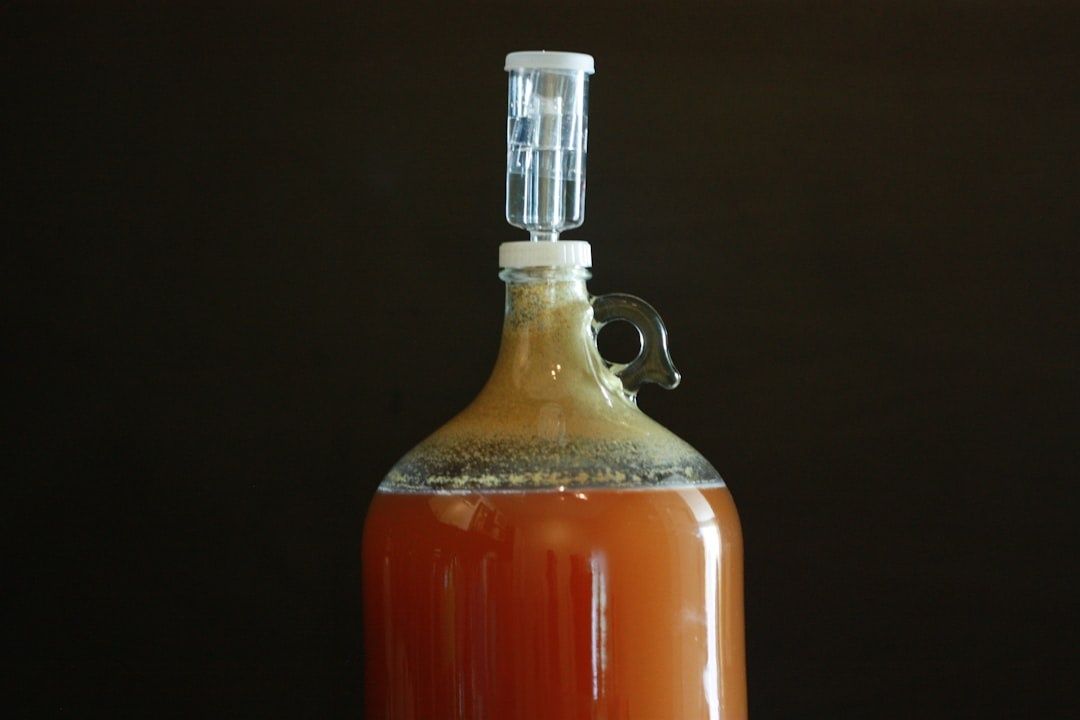
Lacto-fermentation is especially powerful in a seasonal kitchen because it gives fragile produce a second life without disguising its identity. Cabbage cores, herb stems, green tomatoes, surplus radishes, and vegetable trimmings can become crisp, aromatic ferments. Apple peels and cores can contribute to cider vinegar, while berries at the height of their harvest can become shrubs, drinking vinegars, or sauces for desserts and game. A strawberry shrub, traditionally made from fruit, sugar, and vinegar, can bring vivid acidity to a cocktail, sparkling water, or a savory preparation.
The operational value is equally important. A restaurant that records its trim can identify recurring streams of material and assign each one a preservation route. Apple scraps may move into vinegar production, herb stems into a green brine, and excess berries into a shrub. These bases can then be used across several stations, linking pastry, bar, garde manger, and the hot line. The approach resembles the near-total ingredient yield pursued in sustainability-focused kitchens, where the question is not whether a product has reached its first intended use, but what useful form it can take next.
- Use vegetable trimmings in small, clearly labeled lacto-fermentation batches.
- Reserve fruit that is ripe but sound for shrubs, vinegar, compotes, or beverage syrups.
- Capture fermentation brines for dressings, marinades, soups, and nonalcoholic drinks.
- Separate edible byproducts from genuinely unusable waste before disposal decisions are made.
- Design menu applications before production expands, so preserved ingredients move steadily into service.
This is a circular kitchen model in practical form. Waste ceases to be an endpoint and becomes a material awaiting transformation, provided the process is controlled and the resulting product has a defined use. International food preservation guidance, including the FAO”s discussion of fermentation and preservation, reinforces the importance of understanding the relationship between microbial activity, environmental conditions, and food safety. For hospitality leaders, that knowledge turns an appealing philosophy into an accountable operating system.
Building an In-House Fermentation Program
A successful program begins with infrastructure rather than improvisation. Temperature affects the speed of microbial growth and the balance of flavor, while humidity influences drying, mold development, and the condition of aging products. Salinity must be measured by weight, not guessed by hand, and the intended curve should be decided before a batch begins. A vegetable ferment, a koji culture, and a protein sauce each require different environmental expectations. Treating them as interchangeable is an invitation to inconsistency.
Documentation is the bridge between craft and professional reliability. Every vessel should carry a batch identification, start date, ingredient weights, salt percentage, inoculant, temperature range, intended duration, and sensory observations. pH readings, when appropriate to the product and house protocol, provide another useful control point. Logs should record changes in aroma, color, surface activity, texture, and visible contamination. A batch that looks unusual is not automatically unsafe, but it should never be tasted or served until the responsible team member has assessed it against the kitchen”s safety procedure.
- Define the product and its service application before selecting ingredients or vessels.
- Weigh raw materials and salt precisely, then record the complete formulation.
- Control temperature, exposure to oxygen, vessel cleanliness, and ambient humidity according to the ferment.
- Inspect and log the batch at scheduled intervals, including aroma, texture, pH where relevant, and visible changes.
- Approve, hold, or discard each batch through a clear sign-off process before it reaches service.
Training should extend across the restaurant rather than remain the responsibility of one specialist. A chef de partie needs to know how a fermented brine can sharpen a vegetable garnish, while the bar team may find a shrub or vinegar useful in a low-alcohol drink. Purchasing should understand which surplus streams are worth preserving, and service staff should be able to explain the character of a house-made sauce without overstating its history. Fermentation leaders such as Mara King have connected traditional practice with zero-waste initiatives, heritage grains, and broader pantry management, while chefs such as Alek Zito have shown how koji and preserved scraps can become part of a restaurant”s distinctive vocabulary. The strongest programs make aged ingredients feel inevitable on the menu, not ornamental additions placed there to signal technique.
Cultivating the Future of Sustainable Gastronomy
The living larder is both a sensory powerhouse and an ethical bulwark. It gives a kitchen access to concentrated savoriness, precise acidity, gentle effervescence, and textures that fresh ingredients alone cannot provide. At the same time, it challenges the habit of treating surplus as failure. A bruised but sound apple, a fish frame, a cabbage core, or a bowl of overripe berries can be evaluated for its next purpose, extending the value of labor, land, energy, and transport.
For chefs, beverage directors, pantry managers, and hospitality leaders, the investment is measured in more than jars and crocks. It is an investment in time, staff knowledge, disciplined observation, and a menu that changes with the season. Fermentation rewards patience, but it also rewards attention. When traditional preservation is paired with modern controls, the result is a more resilient form of hospitality, one in which the pantry is not merely supporting the menu but quietly shaping its identity. The future of sustainable gastronomy may be found in that partnership between old microbial wisdom and the precise, generous standards of contemporary service.