The Invisible Dimension of Dining
Step into a well-composed restaurant and the first impression is rarely visual alone. Warm conversation rises gently around the room, glasses meet the table with a restrained note, and the kitchen contributes a lively but distant rhythm. Nothing competes aggressively for attention. The atmosphere feels animated without becoming exhausting, allowing the menu, the company, and the service to arrive with equal clarity. In such a setting, sound becomes an invisible form of hospitality, shaping comfort before the first course is served.
For discerning guests, acoustic design is no longer a technical afterthought. It is part of the restaurant”s culinary language, much like lighting, table spacing, linen, or the temperature of a carefully selected wine. A thoughtfully planned room can protect the crispness of conversation and the delicacy of a dish at the same time. Increasingly, restaurateurs and interior architects are moving away from deafening dining rooms and toward a more nuanced ambition: an environment with energy, texture, and social warmth, but without the strain of shouting across the table. Even the most beautiful restaurant acoustics must ultimately serve that gracious balance.
The Decibel Spectrum of Culinary Pleasure
Noise in a restaurant is not automatically a flaw. A room that is entirely silent can feel formal, exposed, or strangely unoccupied. The soft blend of voices, movement, music, and kitchen activity creates a sense of occasion. For many dining spaces, conversation around 65 to 72 decibels can provide a lively social backdrop while remaining manageable at the table. Once ambient levels climb beyond approximately 80 decibels, however, the character of the room often changes. Guests begin competing with the space rather than enjoying it.
At excessive volume, the body responds before the mind has time to articulate the problem. Diners raise their voices, lean forward, repeat questions, and reduce conversation to practical exchanges. Patrons naturally adjust their vocal projection as ambient noise levels climb above comfortable thresholds, a phenomenon widely associated with the Lombard effect. That adjustment creates a feedback loop: one table speaks more loudly, neighboring tables follow, and the overall sound level continues to rise. Research from a field study of 12 Berlin restaurants, published in Frontiers in Built Environment, found that measured sound pressure and reverberation influenced soundscape pleasantness, eventfulness, and perceived restaurant quality, with atmosphere acting as an important pathway to the overall evaluation.
The goal is therefore not silence, but control. A successful dining room allows sound to travel just far enough to create connection while losing enough energy to prevent accumulation. This depends on the relationship between decibel level, reverberation time, ceiling height, table density, music selection, and the distance between sound sources and guests. The following ranges offer a practical, rather than absolute, way to understand the spectrum.
| Ambient level | Likely dining character | Guest experience |
|---|---|---|
| Below 60 dB | Quiet and restrained | Intimate, though potentially formal or exposed |
| 65 to 72 dB | Lively and social | Conversation remains comfortable for most tables |
| 73 to 80 dB | Energetic and demanding | Guests begin projecting their voices and concentrating harder |
| Above 80 dB | Chaotic or fatiguing | Conversation, service communication, and flavor attention suffer |
Architectural Alchemy and Acoustic Textures
Many contemporary restaurants are visually composed around materials that are acoustically unforgiving. Polished concrete reflects sound with the same confidence that it reflects light. Glass walls return voices into the room, bare timber can reinforce sharp impacts, and expansive ceilings allow sound to gather before sending it back toward the tables. A kitchen pass, a narrow corridor, or a hard bar front can further concentrate clatter. The result is not simply loudness, but distortion, in which words become indistinct and every dropped fork seems to acquire an exaggerated presence.
Modern acoustic engineering offers ways to soften this effect without compromising a restaurant”s visual identity. Micro-perforated acoustic plaster, for example, can be applied as a seamless finish that resembles an ordinary painted ceiling or wall while allowing sound energy to enter an absorbent layer behind the surface. Similar approaches include acoustic sprays, fabric systems, coated panels, and concealed ceiling treatments. The essential principle is discreet performance. Absorption should be built into the architecture rather than added as an apologetic decoration after the design has been completed.
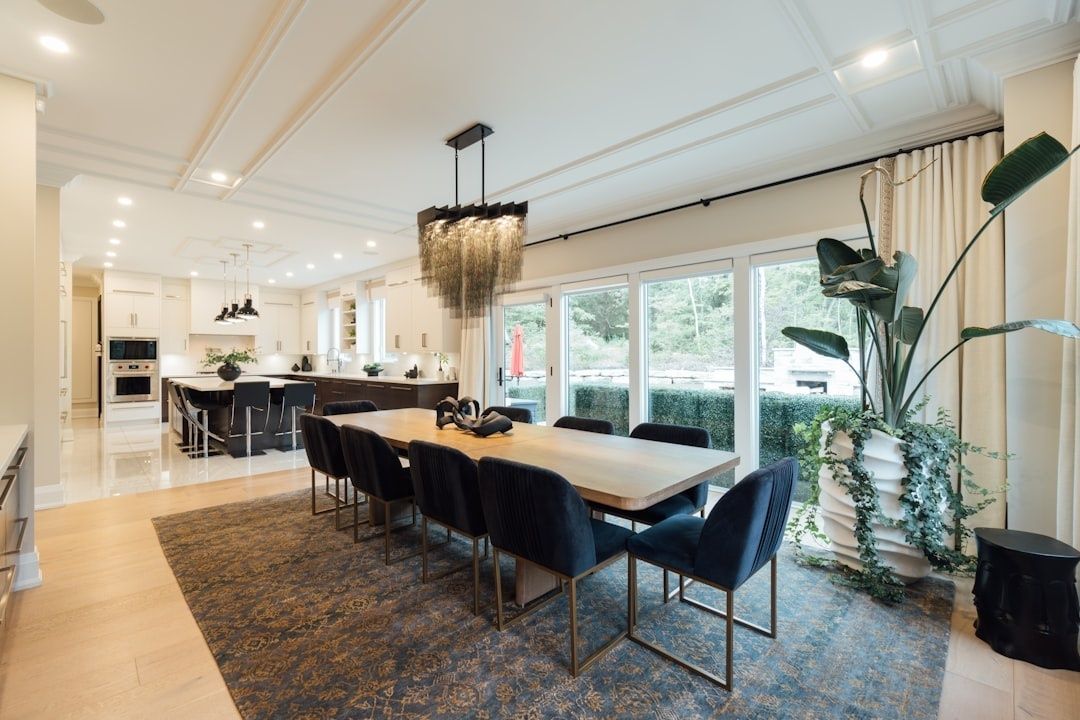
A refined acoustic palette can also be assembled through interior choices that feel natural to the guest. Upholstered banquettes absorb more sound than slim wooden chairs. Drapery, textured wall finishes, rugs, acoustic artwork, and generous planting can break up reflections while adding visual depth. Timber slats with absorbent backing can preserve warmth and rhythm, while perforated panels can echo the geometry of a ceiling or bar. Useful decisions include:
- Using absorbent ceiling surfaces where sound otherwise travels freely across the room.
- Introducing upholstered seating and textured finishes in high-conversation zones.
- Separating hard, reflective surfaces with softer architectural layers.
- Placing acoustic treatment near major sources such as open kitchens, bars, and service stations.
- Coordinating acoustic solutions with lighting, fire safety, ventilation, and maintenance requirements.
Sonic Seasoning and the Psychology of Taste
Flavor is experienced through more than the tongue. Sight, aroma, texture, expectation, and the surrounding environment all influence how a dish is interpreted. A review of sensory research in Sensory Nudges describes background sound as one of several contextual cues capable of altering sensory perception, emotional response, food choice, and consumption behavior. This is known as crossmodal perception: the brain combines information from different senses, and one channel can subtly change the meaning assigned to another.
Auditory qualities are especially intriguing. Research discussed in the same field suggests that higher-pitched sounds can be associated with lighter, sweeter, or more delicate impressions, while lower tones may support perceptions of depth, richness, or bitterness. Excessive volume, however, is a different matter from carefully selected pitch or musical character. Loud, complex sound can draw attention away from subtle aromas and diminish the guest”s ability to distinguish restrained sweetness, layered umami, or a finely balanced sauce. The restaurant acoustics study in Frontiers likewise notes the broader relationship between sound, taste, atmosphere, spending, enjoyment, and return intentions.
When acoustic comfort is achieved, the meal gains room to unfold. Guests can notice the snap of a crisp garnish, the quiet perfume of herbs, or the change in texture between a first bite and the finish. They are more likely to ask questions about a wine, listen to a server”s explanation, and linger over the transition from savory courses to dessert. A study of sound and chocolate tasting, available through sound-taste correspondence research, found that participants reported a better tasting experience when the soundscape was connected to the identity of the food, and they expressed a higher willingness to pay. The lesson is not that every dish requires a soundtrack, but that sound can frame value when it is intentional and proportionate.
Designing the Balanced Sonic Journey
Acoustic stewardship begins with observation rather than decoration. Restaurant leaders need to understand how a space behaves at breakfast, during a busy lunch, at peak dinner service, and after a private event has filled every table. A room that feels calm at six o”clock may become punishing at eight. Measurement can reveal whether the principal problem is reverberation, equipment noise, music, table density, or the cumulative effect of several modest sources.
- Map the soundscape. Measure sound levels during occupied service and identify the loudest zones, including the bar, pass, kitchen entrance, dish area, and densely seated tables.
- Separate energy from intrusion. Decide which sounds contribute to the brand, such as a visible open kitchen, and which should be reduced, such as blender noise, HVAC vibration, or uncontrolled clatter.
- Build acoustic zoning into the plan. Place energetic areas near guests who enjoy movement, while protecting banquettes, tasting tables, and special-occasion seating from the strongest sound sources.
- Choose concealed treatment. Coordinate plaster, ceiling systems, upholstery, curtains, panels, and floor finishes so absorption supports the visual concept rather than interrupting it.
- Review and refine. Combine acoustic measurements with guest comments, staff feedback, table-turn data, and service observations. Sound changes as furniture, menus, occupancy, and equipment change.
Zoning is particularly important in restaurants that combine several moods. An open kitchen may provide theatrical energy, while a cocktail bar benefits from a brighter pulse and more pronounced musical presence. Neither should dominate an intimate dining banquette or a chef”s counter designed for detailed conversation. Changes in ceiling treatment, seating upholstery, partition height, and speaker direction can create these distinctions without making the floor plan feel fragmented. Sound should guide the guest through the evening, moving from welcome and aperitif toward concentration at the table and a softer, lingering finish.
Staff well-being belongs at the center of this work. Cooks, servers, bartenders, and hosts spend far longer in the restaurant than any guest, and persistent noise can contribute to fatigue, miscommunication, mistakes, and slower service. Equipment should be maintained, isolated with anti-vibration mounts where appropriate, and positioned away from seating when possible. Blenders, grinders, ice machines, ventilation systems, dishwashers, and refrigeration units all deserve attention. Acoustic treatment is therefore not merely a luxury upgrade. It protects the people who create hospitality while improving the clarity and ease that guests experience.
Crafting Memories That Resonate Beyond the Table
An exceptional restaurant is a multisensory composition. The plate offers flavor and texture, the room provides light and spatial character, service establishes rhythm, and sound binds the elements together. When acoustics are neglected, even superb cooking can be obscured by the effort required to hear and be heard. When they are carefully shaped, the room gives each course a more generous stage, from the first greeting to the final sip of coffee.
Acoustic elegance is becoming one of the clearest marks of refined, guest-centered hospitality. The most successful dining spaces will curate sound with the same care given to a wine cellar, a seasonal menu, or a signature glassware collection. Their rooms will remain vibrant, never sterile, yet considerate enough to let conversation, service, and gastronomy retain their natural definition. That is the sweet spot of sound: an atmosphere guests may not consciously identify, but will remember as comfort, connection, and the quiet pleasure of having been beautifully received.